Share this post
Being Gay Is Okay: One AANHPI Youth’s Path Through Identity and Mental Health
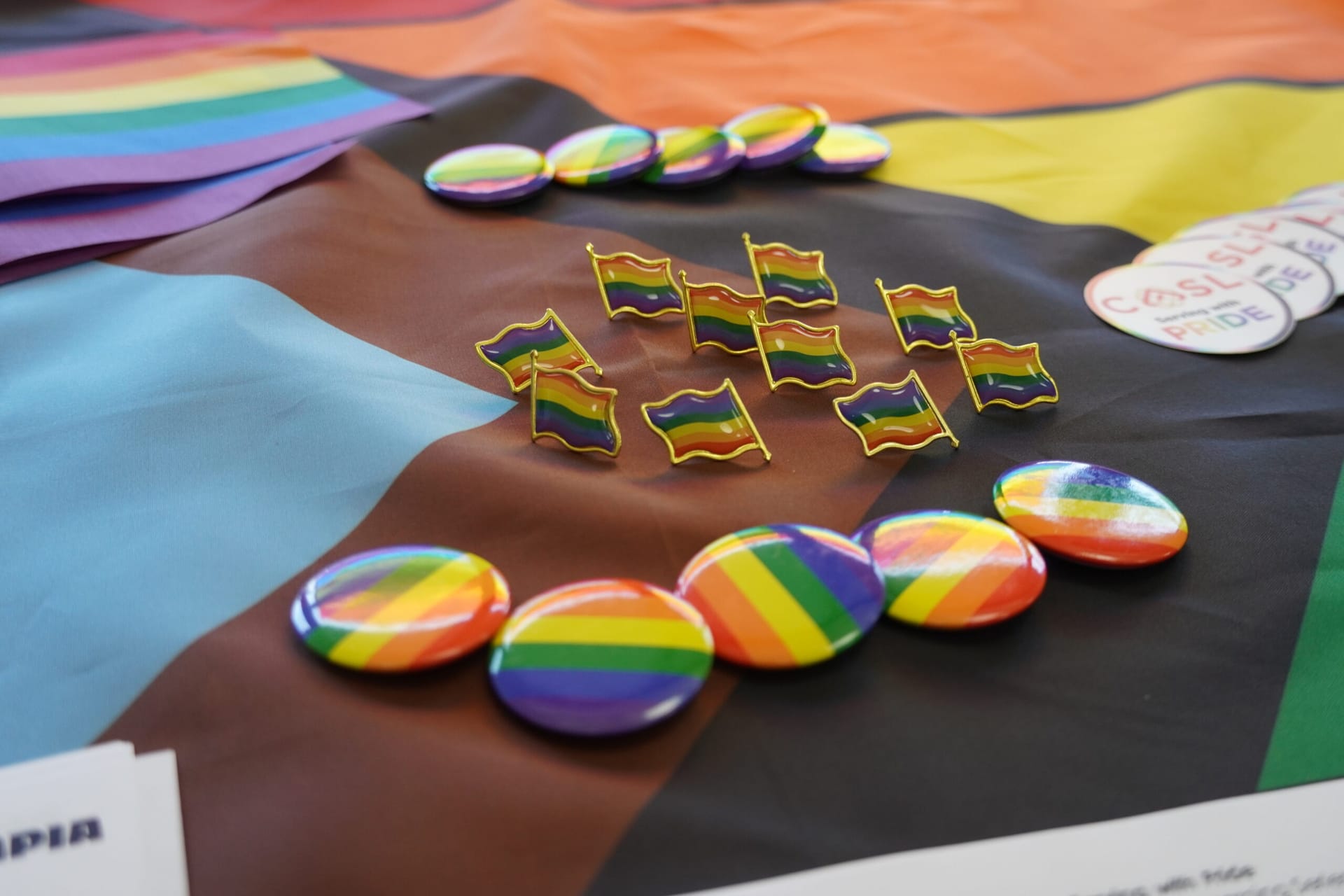
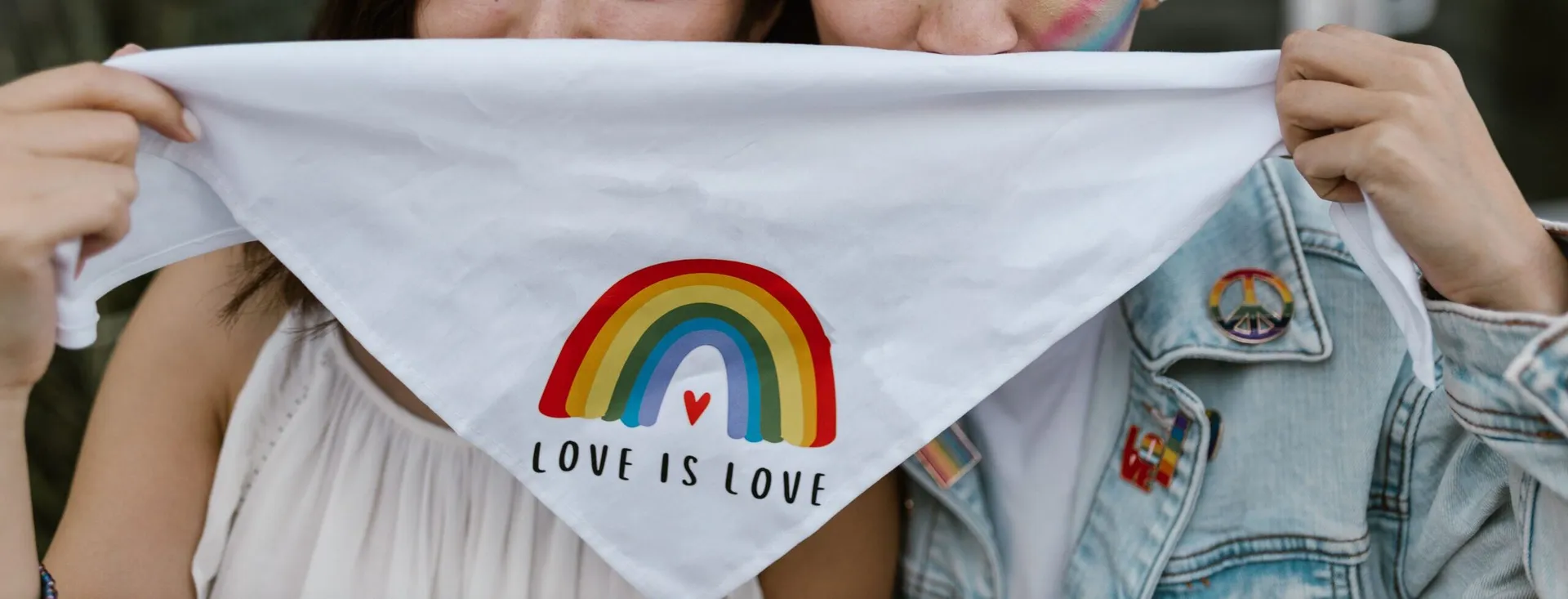
June is Pride Month, a time set aside to recognize LGBTQ+ identity and the ongoing work of building communities where that identity is safe to live openly. For AANHPI LGBTQ+ youth, that work often comes with an added layer: navigating two communities.
Health and Wellness
June is Pride Month, a time set aside to recognize LGBTQ+ identity and the ongoing work of building communities where that identity is safe to live openly. For AANHPI LGBTQ+ youth, that work often comes with an added layer: navigating two communities — one defined by culture, one by identity — that don’t always make room for each other.
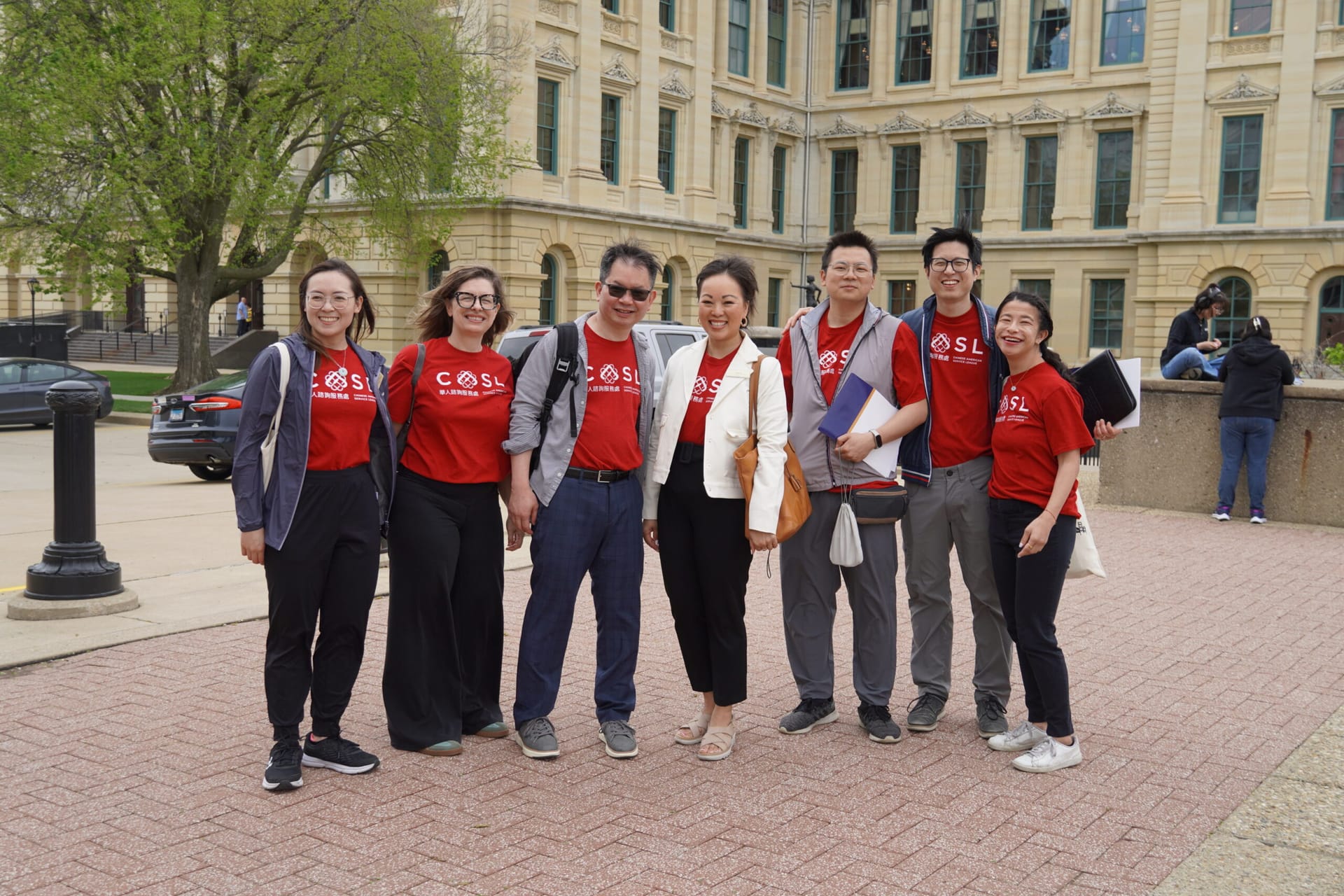
Polly Cheng, a case manager in CASL’s Behavioral Health and Clinical Services department, spoke with one young community member, “Alex,” about what that experience has looked like for them.
Alex grew up in a tight-knit Asian community where, as they put it, “everyone knows everyone.”
That closeness came with a cost. Traditional expectations around gender and sexuality, common in more conservative pockets of Asian communities, left little room for LGBTQ+ identity to be expressed openly. The result, Alex recalled, was constant scrutiny and a quiet fear of judgment that shaped much of their adolescence.
It’s a pattern Alex has seen play out beyond their own life, too: a cultural upbringing that rarely makes space to talk about mental health, let alone consider therapy as an option. Without that language or precedent, it’s easy for young people to miss the moment when they actually need support.
Representation makes it harder still. Asian and transgender stories are scarce in mainstream Western media, Alex pointed out, which can make it tough for LGBTQ+ AANHPI youth to see themselves reflected anywhere — on screen or in the resources meant to help them. And practical barriers compound the emotional ones: finding a therapist who speaks Chinese, let alone one who understands both a client’s cultural background and their identity, isn’t easy.
Alex knows that firsthand. Before finding CASL, they moved through several service providers without realizing CASL offered therapy at all. That experience points to something bigger, in Alex’s view — AANHPI-centered mental health resources that understand LGBTQ+ experience do exist, but they’re hard to find. The shortage isn’t in availability. It’s in visibility.
So what would Alex tell a young person in their community who’s struggling but hasn’t reached out yet? They didn’t have to think long.
“Being gay is okay,” Alex said. “It doesn’t matter what your middle school peers say. You can be gay, be queer and successful.”
Resources
For AANHPI LGBTQ+ youth seeking support:
- CASL Behavioral Health Services — https://casl.org/health/behavioral
- The Trevor Project, 24/7 crisis support for LGBTQ+ youth — https://www.thetrevorproject.org/get-help/, 1-866-488-7386 (call) or text START to 678-678
- NQAPIA (National Queer Asian Pacific Islander Alliance) — nqapia.org, (917) 439-3158
- Asian Mental Health Collective, a directory of culturally responsive therapists — https://www.asianmhc.org/find-support