
Share this post
A Lighter Load: One Family’s Story with the GUIDE Model
Every September, World Alzheimer’s Month asks us to look more closely at what dementia care actually demands — not just from patients, but from the families holding everything together, often quietly and alone.
Health and Wellness
Every September, World Alzheimer’s Month asks us to look more closely at what dementia care actually demands — not just from patients, but from the families holding everything together, often quietly and alone. It’s also a fitting moment to highlight the CMS GUIDE Model, a federal initiative CASL is proud to be part of, built to give families facing dementia the kind of coordinated support that’s too often missing.
The story below is a composite, drawn from real experiences of CASL clients, illustrating how CASL’s Brain Health program and the GUIDE Model come together to support a family navigating dementia care. Names and identifying details have been changed.
Story by Ruby Tan, LCSW, Certified Dementia Practitioner, MoCA Certified Rater, Brain Health and Caregiving Program Manager
Carrying It Alone
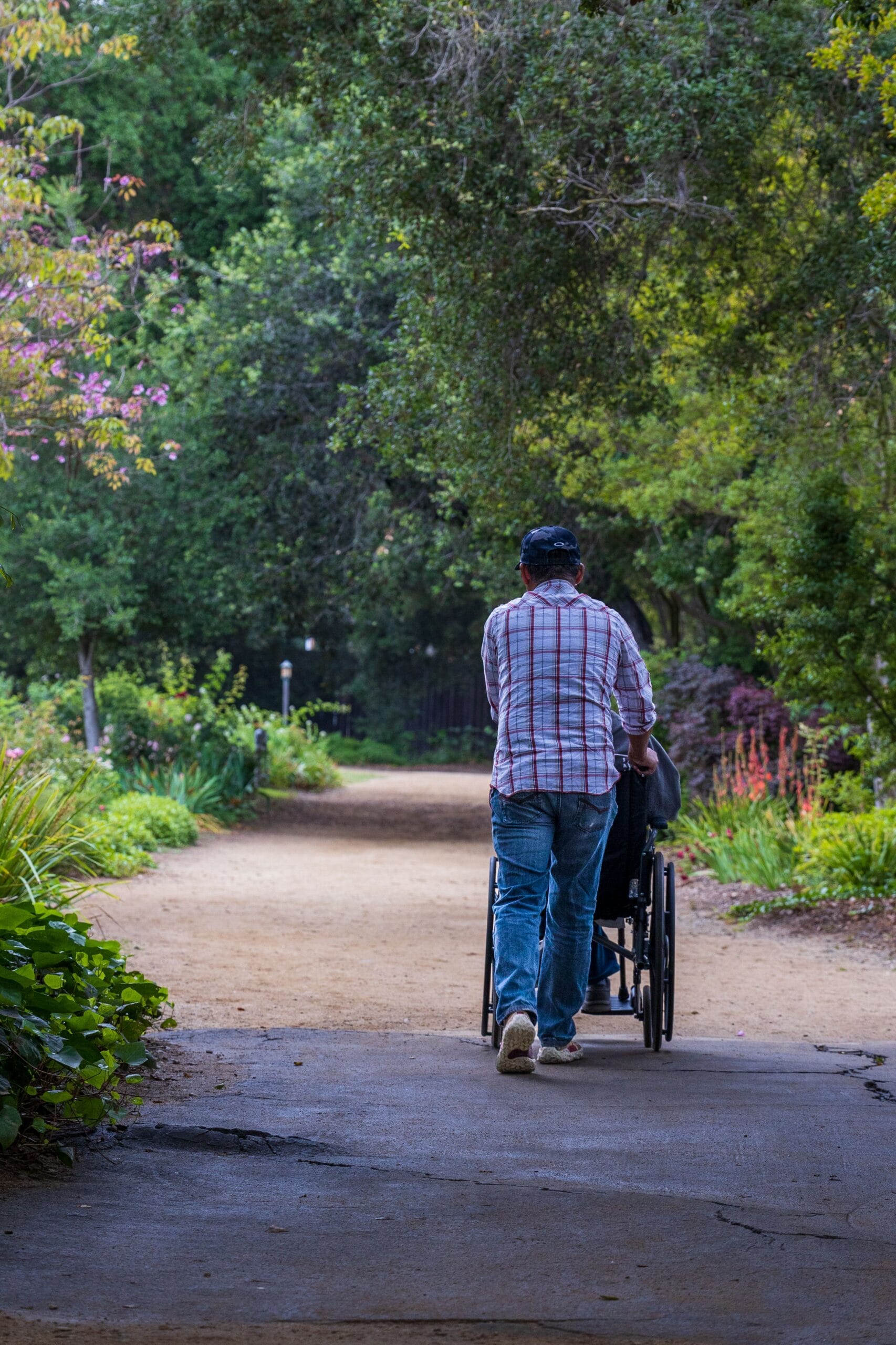
For nearly seven years, David had been the only one taking care of his mother.
It started small — she’d repeat a question she’d already asked, or forget where she put something. Then it became bigger: wandering, confusion about the time of day, moments where she didn’t recognize her own kitchen. By the time a doctor said the word dementia out loud, David had already rearranged his entire life around caring for her, without really deciding to.
He didn’t know where to look for help. In the years he spent caregiving, David never found a program that fit — nothing bilingual and culturally appropriate, nothing that seemed to understand what caregiving actually looked like day to day for a Cantonese-speaking family. So he did it all himself: the meals, the medications, the doctor’s appointments, the long nights when she was anxious and couldn’t sleep. He was burned out, unsure whether a nursing home would eventually be the only option left.
It stopped feeling like something that would end. It just became his life.
Finding CASL
A CASL social worker sat down with David and his mother together, in Cantonese, and asked about things no one had asked him before — not just his mother’s symptoms, but how David himself was doing, how long he’d been managing alone, and what kind of support he actually needed. David was cautious — he’d been let down by promises of help before. But this time was different.
Through the services at CASL and the GUIDE Model, his mother received a full care plan for the first time. Through CASL’s Caregiver Support Services, David was connected to a support group; through CASL’s Brain Health program, he was connected to a care navigator who helped him access resources he hadn’t known existed — respite services, benefits counseling, and caregiver education that finally gave him language and tools for what he’d been figuring out alone for years. And through CASL’s Adult Day Services program, his mother had somewhere to go several days a week — engaged, safe, and cared for by staff who understood her.
Getting His Life Back
The caregiver education changed how David understood his role. He learned how to respond when his mother grew confused or agitated, instead of just reacting. He learned that the exhaustion he’d been carrying for years had a name, and that it wasn’t a sign he was failing her.
With his mother settled at Adult Day Services during the week, David went back to his own life for the first time in years. He started sleeping through the night again. He reconnected with friends he’d lost touch with, and found a little space, for the first time in a long while, to just be his own person again — not only a caregiver.
He hadn’t realized how much of himself he’d lost to caregiving until he started getting pieces of it back.
A Team That Doesn't Go Away
What’s changed most for David isn’t just the practical support — it’s knowing he’s not carrying it alone anymore. His CASL care navigator and case manager are still there. If something changes with his mother’s care, or if David needs help again, there’s a team already in place who knows their story and can act quickly.
Families like David’s often describe the same shift: they no longer feel like they have to solve everything themselves, every time. There’s a team to call.
CASL’s Brain Health program and Caregiver Support Services, in partnership with the CMS GUIDE Model, connect families facing dementia with care navigation, caregiver education, respite, and ongoing support — all in Cantonese, Mandarin, Spanish, and English. To learn more, contact CASL at 312-791-0418.

