
Share this post
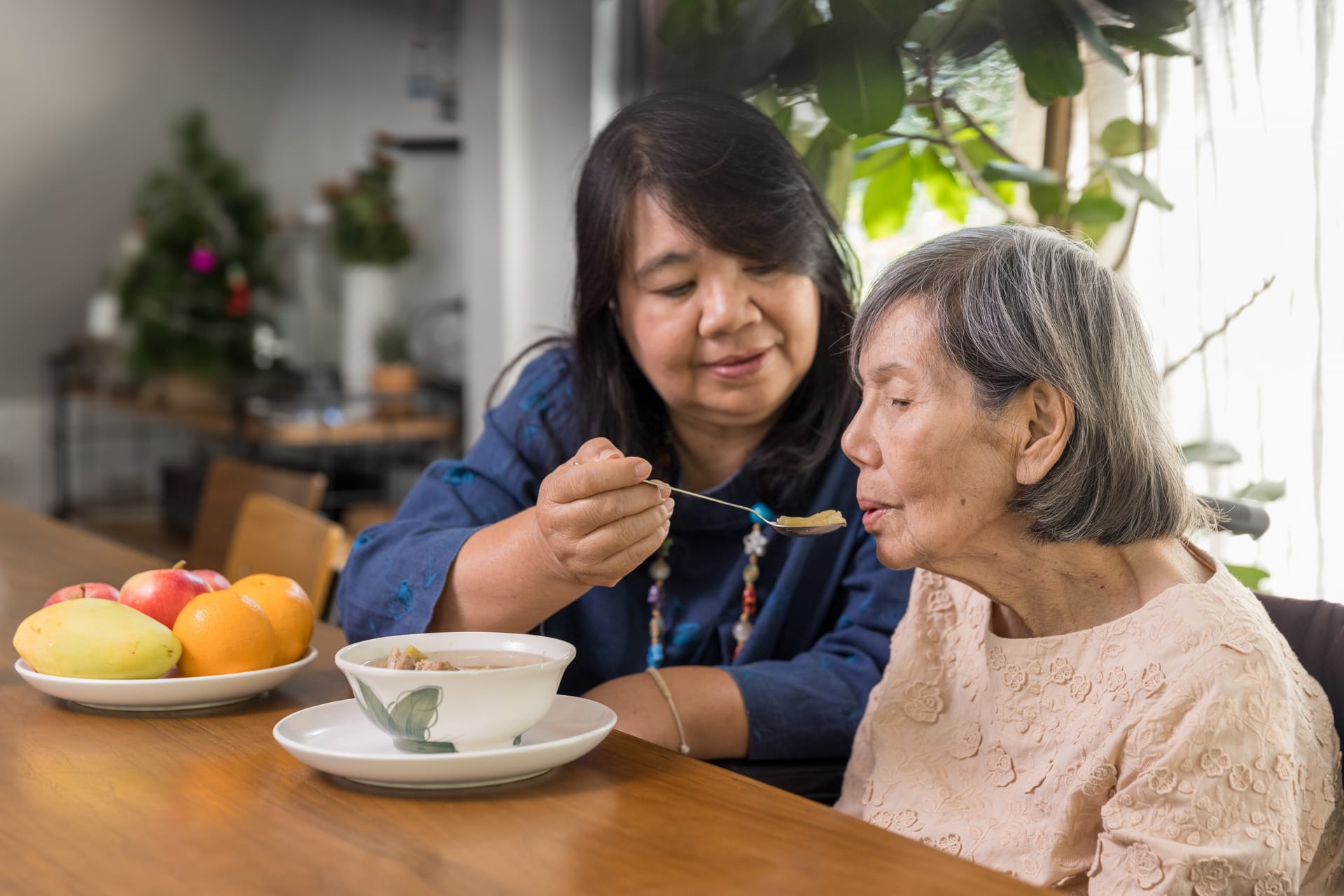
When Caring for Family Feels Complicated
Caring for family is an act of love, and it’s hard. But you’re not alone—CASL is here for you every step of the way.
Health and Wellness
Written by Ruijia Guo, CASL Health Intern
Taking care of an aging parent or a family member with a disability comes from love, but it can also wear you down. Maybe you’re the one at every doctor’s appointment while your siblings call once in a while. Maybe your parent pushes back on every decision, or the family keeps arguing about money and whether it’s time for more help. About 76% of family caregivers say they don’t get consistent help from other family members (Carpenter, 2024). If this sounds like your life, you’re not alone, and feeling worn out or even a little resentful doesn’t make you a bad member in your family.
When someone needs care, everyone has to adjust, and old family patterns tend to come back. Family therapists see a family as a system (Walsh, 2016). I like to think of it as a drop of water in a still pond: the ripples spread across the whole surface. When a parent’s health changes, it reaches everyone, changing who visits, who pays, and who quietly does the most. Here are some patterns caregivers often recognize, drawn from Bowen family systems theory and structural family therapy (Kerr & Bowen, 1988; Minuchin, 1974).
- Triangulation: Family members talk through one person instead of to each other. Your mom complains to you about your brother, your sister vents to you about Dad’s doctor, and soon you’re the middle person for everyone.
- Enmeshment: The caregiver and the person being cared for become so close that it’s hard to tell whose needs are whose. In many cultures closeness is a real strength. It becomes a problem when there’s no room left for your own life.
- Disengagement: Some family members stay at a distance, and little by little the work falls on whoever lives closest.
- Role reversal and parentification: Adult children end up managing their parents’ medication, bills, and big decisions. In many immigrant families, the child who translated for the family growing up is often the one who becomes the caregiver.
- Emotional cutoff: Caregiving can pull people back together before old hurts have healed. Sometimes reconnecting is possible, and sometimes distance is still what keeps someone okay. You get to decide how close you can be.
- Intergenerational transmission: Ideas about who should give care get passed down, like the oldest daughter or the daughter-in-law always stepping in, even when no one says it out loud.
In immigrant families, these expectations can clash across generations. Parents raised with strong values of filial piety may feel hurt when their children bring up home care or a care facility, while those children are juggling jobs, kids, and a different idea of what good care looks like. This kind of cultural gap brings conflict and sadness for both generations. Naming the gap can help the conflict feel less personal.
Dementia can make all of this even harder. As the illness progresses, the family’s structure keeps shifting. The parent who made every decision may need help getting dressed, a spouse becomes a full time caregiver, and siblings have to work out who decides what. Family members often see these changes differently, and in some communities memory loss is treated as normal aging or something to keep private, so conflict can grow even when everyone cares. Talking openly, and planning together while your loved one can still take part, can make later decisions feel less like a fight.
Map your care picture, then choose one small step
Counselors often use a genogram, a simple family map. Draw yourself, then any family members. Remember that a family is a system, and the actions of any one member can affect the entire family. Use squares, circles, or any symbols that feel right to you. Then add lines between people, describe your feelings and what happened As you look, ask what keeps repeating. Maybe the oldest daughter always becomes the caretaker, or nobody talks about money.
An ecomap works alongside it. Put yourself in a circle in the middle and draw your ties to school, work, friends, your faith community, or CASL. It shows where support already exists outside your family.
Once you see a pattern, pick one small change. Write down what you are willing to do, what you are not, and what you need to feel okay. When you need to ask for something, try DEAR MAN, a skill from dialectical behavior therapy. Describe the situation, express how you feel, ask clearly, and explain why it matters. Then stay focused, stay calm, and be open to compromise.
A gentle note: mapping your family can stir up strong feelings, so take breaks. If you live with someone who might react badly, keep your map private or make it with a CASL worker.


You don’t have to do this alone
If you’d like someone to talk this through with, our CASL Caregiver Support Services team is here. We can listen to what you’re going through, help you think about next steps, and connect you with services and support. You can reach us at +1 312-528-5748 or caregiverservices@casl.org, or stop by 2141 S. Tan Ct, Chicago, IL 60616.
If you need help now:
- In immediate danger: call 911
- 988 Suicide and Crisis Lifeline: call or text 988
- Illinois Adult Protective Services (24 hours): 1-866-800-1409, to report abuse, neglect, or financial exploitation of an adult 60 or older, or an adult 18 to 59 with a disability
- Alzheimer’s Association 24/7 Helpline: 800-272-3900, free support for people living with dementia and their families, in more than 200 languages
- Illinois Department on Aging Senior HelpLine: 1-800-252-8966, Monday to Friday, 8:30 a.m. to 5 p.m., for help finding services for older adults and caregivers
- Caregiver Action Network Caregiver Help Desk: 855-227-3640, free one on one support from caregiving experts
References
Carpenter, C. (2024, June 12). Family caregivers and the role of sibling caregiving. Caregiver Action Network. https://www.caregiveraction.org/family-caregivers-role-of-sibling-caregiving/
Kerr, M. E., & Bowen, M. (1988). Family evaluation: An approach based on Bowen theory. W. W. Norton.
Minuchin, S. (1974). Families and family therapy. Harvard University Press.
Walsh, F. (2016). Applying a family resilience framework in training, practice, and research: Mastering the art of the possible. Family Process, 55(4), 616–632.